Landowners’ options for prescribed burning
Regions: State Wide
Solution Areas: Adaptation & Resilience Land Use & Restoration

Interest in prescribed burning is growing. Across the U.S., the practice is recognized for reducing fuel buildup, improving ecosystem health, and supporting community resilience and conservation efforts.
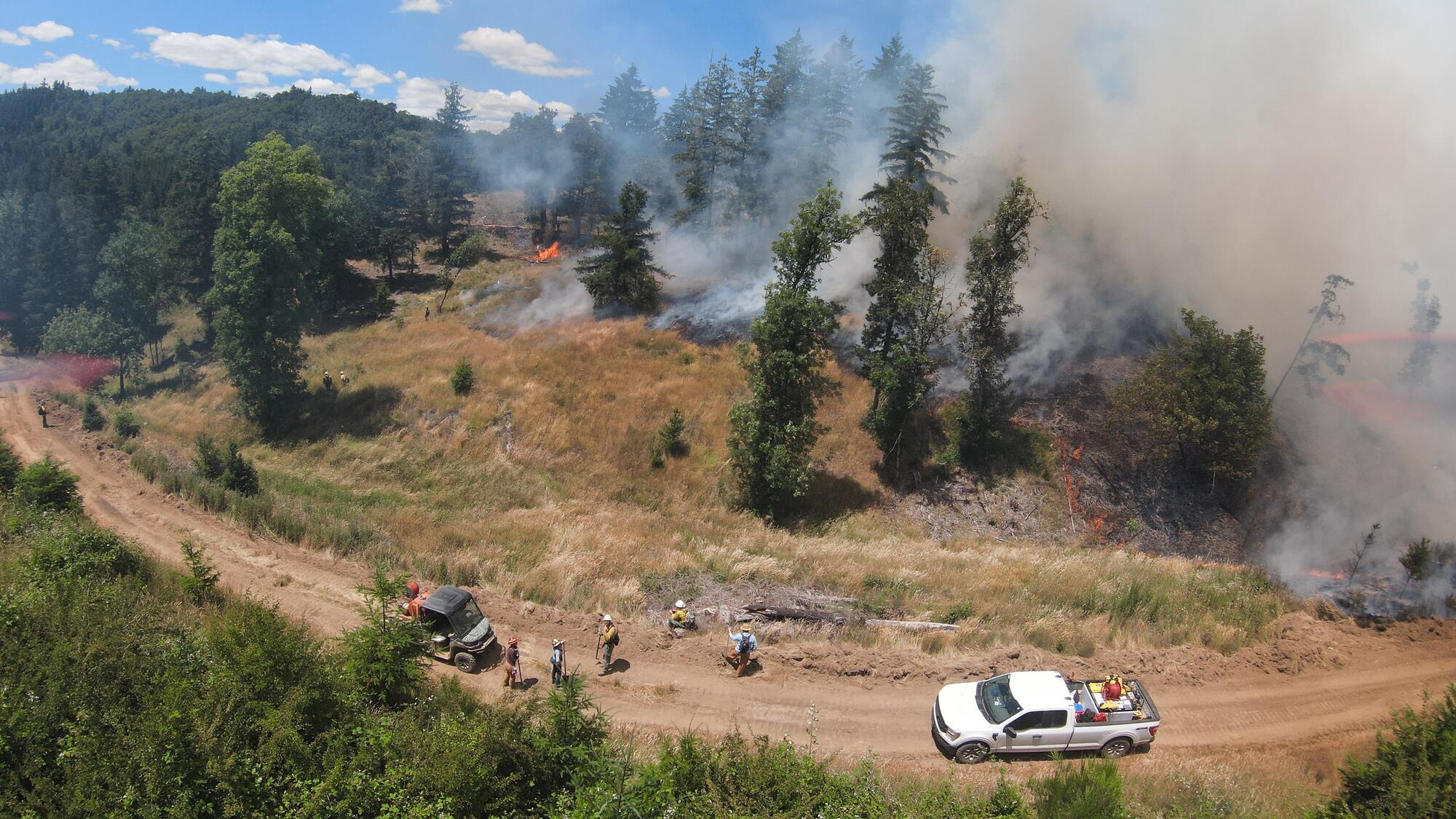
Prescribed fire is the intentional and carefully controlled application of fire, guided by thousands of years of Indigenous fire management traditions, and carried out under specific weather conditions to achieve land management goals. While pile burning is a type of prescribed fire, we focus here on broadcast burning. This involves setting a low-intensity fire to reduce surface fuels such as grasses, shrubs, needle litter, small trees and downed debris.

Cultural burning is practiced by Indigenous peoples who use controlled fires for a variety of ecological and cultural purposes. Cultural burning may look a lot like prescribed burning, but it originates from a worldview and relationship to fire and the land specific to an Indigenous community. It may involve specific social and cultural dimensions that serve to transmit traditional fire knowledge and carry out land stewardship responsibilities.
The need for more prescribed fire
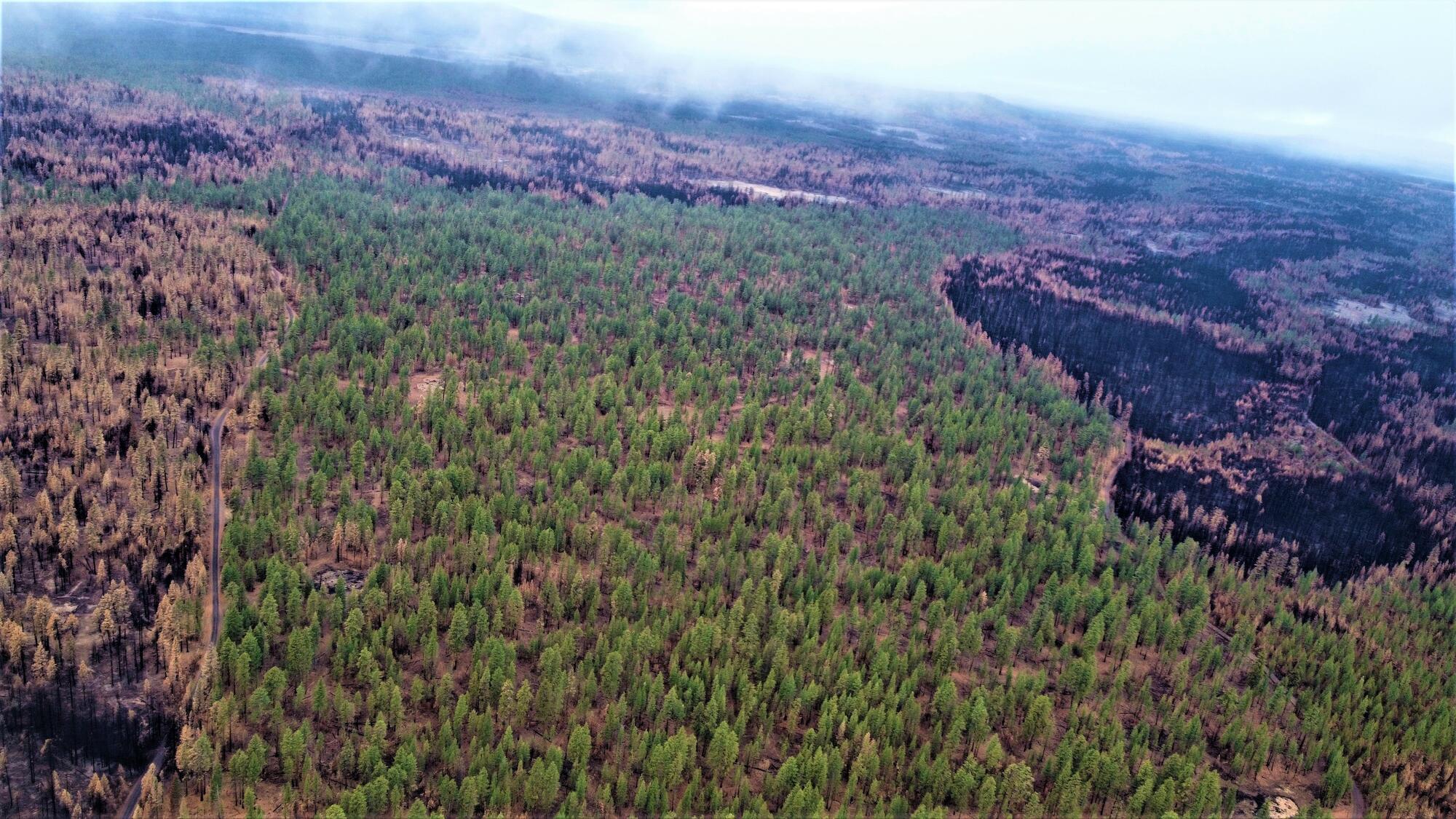
After several large fires in the early 1900s, the United States put policies into place that led to over a century of attempted fire exclusion. As a result, many ecosystems that once thrived with periodic fire became overgrown and unhealthy. Meanwhile, the use of cultural burning was lost in many communities that once held this practice.
In Oregon, this growing estrangement from fire has led to a fire deficit across millions of acres. The impacts are increasingly obvious, including declining forest health, increased intensity of wildfires, and damage to communities and biodiversity. These factors have created a heightened awareness of prescribed fire’s importance in land management.
Scientific research has repeatedly demonstrated the positive effects of prescribed fire on ecological systems and in reducing the spread and severity of wildfires. A 2024 meta-analysis examining thinning, prescribed fire and wildfire impacts in conifer-dominated forests of the Western U.S. revealed that combining thinning with prescribed burning is the most effective approach to mitigating wildfire impacts. These treatments lower tree density, reduce ladder fuels and minimize surface fuels, significantly decreasing the likelihood of crown fires and reducing overall fire intensity and severity.
Why don’t we burn more?
Despite the recognition of prescribed fire’s benefits, its use varies across the country. While the practice is widely used in southeastern states, it is currently much less common in the West.
Multiple barriers exist for burning in this region. They include insufficient capacity and funding; risk perception; regulations, permitting processes and politics; and challenges in resource sharing. For landowners, this can look like:
- Regulatory challenges: Variable and complex regulations can discourage landowners from conducting burns. Requirements vary across the landscape, depending on the agency or agencies having authority, and land use and air-quality restrictions. Navigating these legal requirements can be time-consuming and confusing. Contact the , your local fire department, or your local to help you.
- Limited access to expertise, workforce and equipment: It can be hard and expensive to find qualified people to supervise, manage and/or carry out prescribed burns. Equipment can be another costly barrier.
- Risk perception: Landowners may be concerned about the liability associated with prescribed fire escapes and potential damage, especially if they are unfamiliar with the practice. However, observing or participating in a prescribed burn can help them better understand the risk-management strategies involved.
Options for burning private lands
Landowners have a range of options for burning their land, depending on their objectives and the size and complexity of the burn. Some may have the necessary equipment, experience and time to manage a burn themselves, while others may prefer to hire a third party to handle the planning and implementation. Carefully considering these factors will help determine the most suitable approach for the burn project.
Collaborating with agencies and nonprofit organizations
One option is to collaborate with an agency or a nonprofit organization. In this arrangement, landowners enter into a contract or agreement, and the organization shares the responsibility for planning and carrying out the burn. For example, the U.S. Fish and Wildlife Service may conduct ecological burns on private lands for wildlife conservation through the Partners for Fish & Wildlife Program. Similarly, the Bureau of Land Management and U.S. Forest Service may conduct burns on private lands near land they manage through special agreements. The Natural Resources Conservation Service may also offer cost-share programs to assist with site preparation.
Nonprofits or land trusts can further support landowners wanting to burn. Partnering with an agency or nonprofit can help reduce the overall cost for the landowners. However, due to limited resources and narrow weather windows, it may take several years before assistance becomes available.

Cross-boundary partnership meets objectives
In 2016, landowners collaborated with neighbors and the Bureau of Land Management on a 36-acre prescribed underburn near Trail, Oregon, to reduce fire hazards. Through a memorandum of understanding, BLM agreed to conduct the underburn as part of its broader fire and fuels management along a strategic cross-boundary ridgeline. The burn significantly reduced the risk of high-severity wildfires while safeguarding soil, water, wildlife and timber resources.
CTA: Read the case study,
Hiring a contractor
Qualified contractors bring expertise and carry their own insurance. Many of them spend the wildfire season fighting fire but dedicate time to prescribed burns when they are available. While hiring a contractor can be costly, it may be a worthwhile investment for large-acreage burns (some contractors charge for a minimum of 20 acres). Few contractors in Oregon can lead a prescribed burn. Consider talking with your local , , or your local to understand your options.

Doing it yourself
For those who prefer a more hands-on approach, doing it yourself can be an option. Property owners can conduct their own burns if they adhere to permit requirements. These requirements vary greatly depending on the time of year; county, local fire department and ODF rules; and special restrictions within city limits or air-quality management areas. Landowner-led burns are a good choice for individuals with prior fire experience, and agricultural producers or forest managers with access to equipment and labor. It is also common for many homeowners and small woodland owners to implement pile burns and even broadcast burns of limited scale.
Joining a prescribed burn association
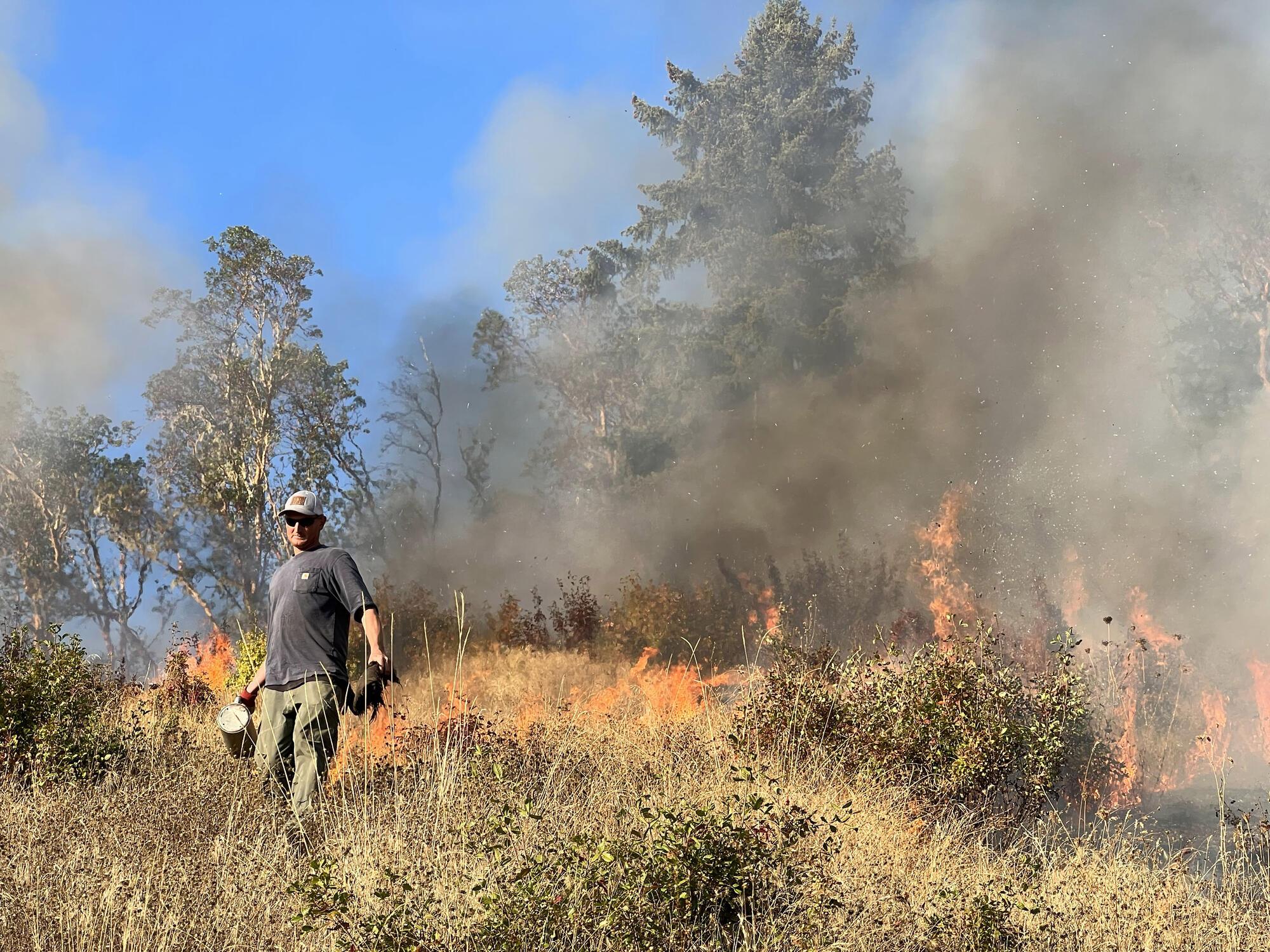
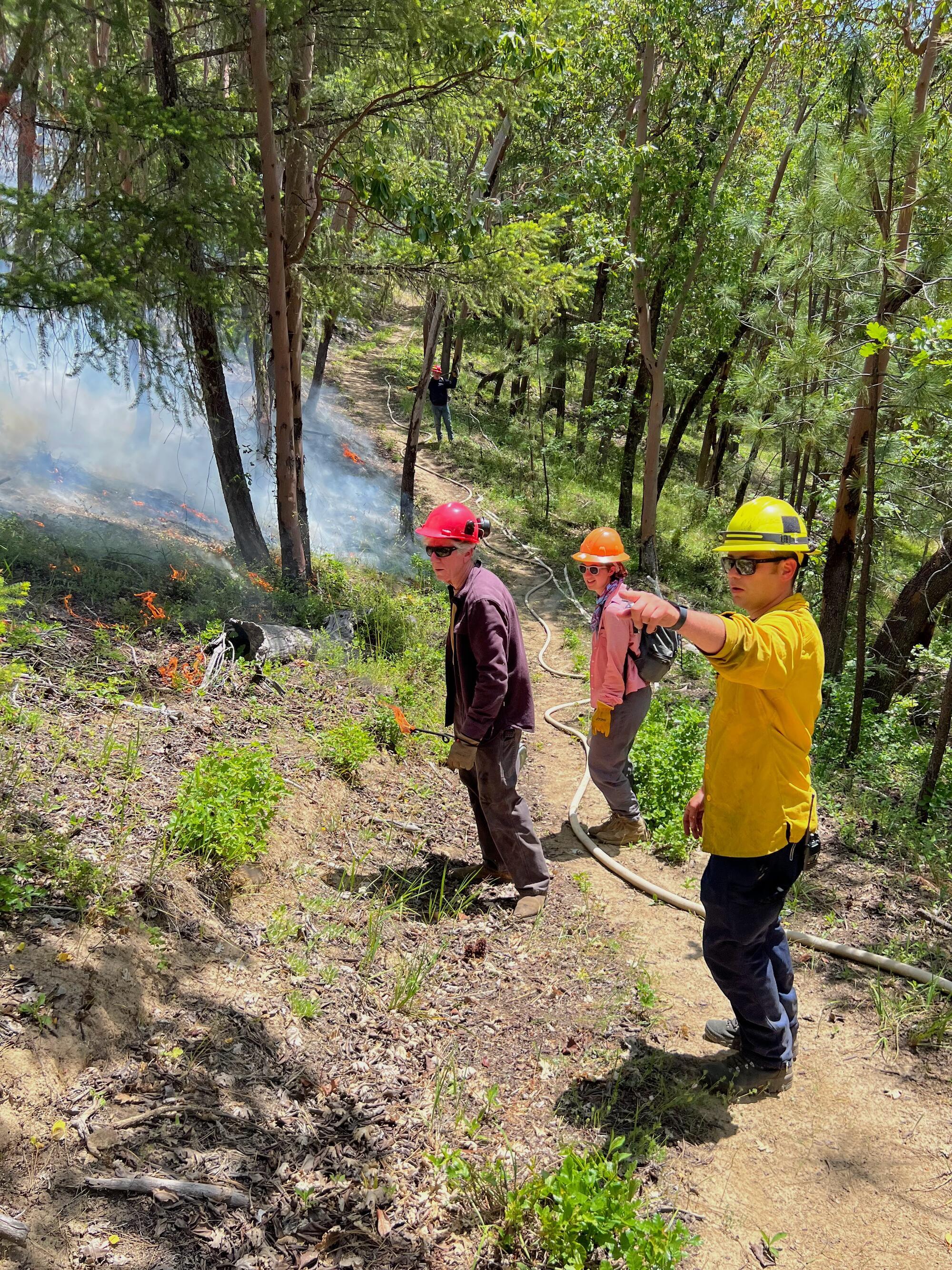
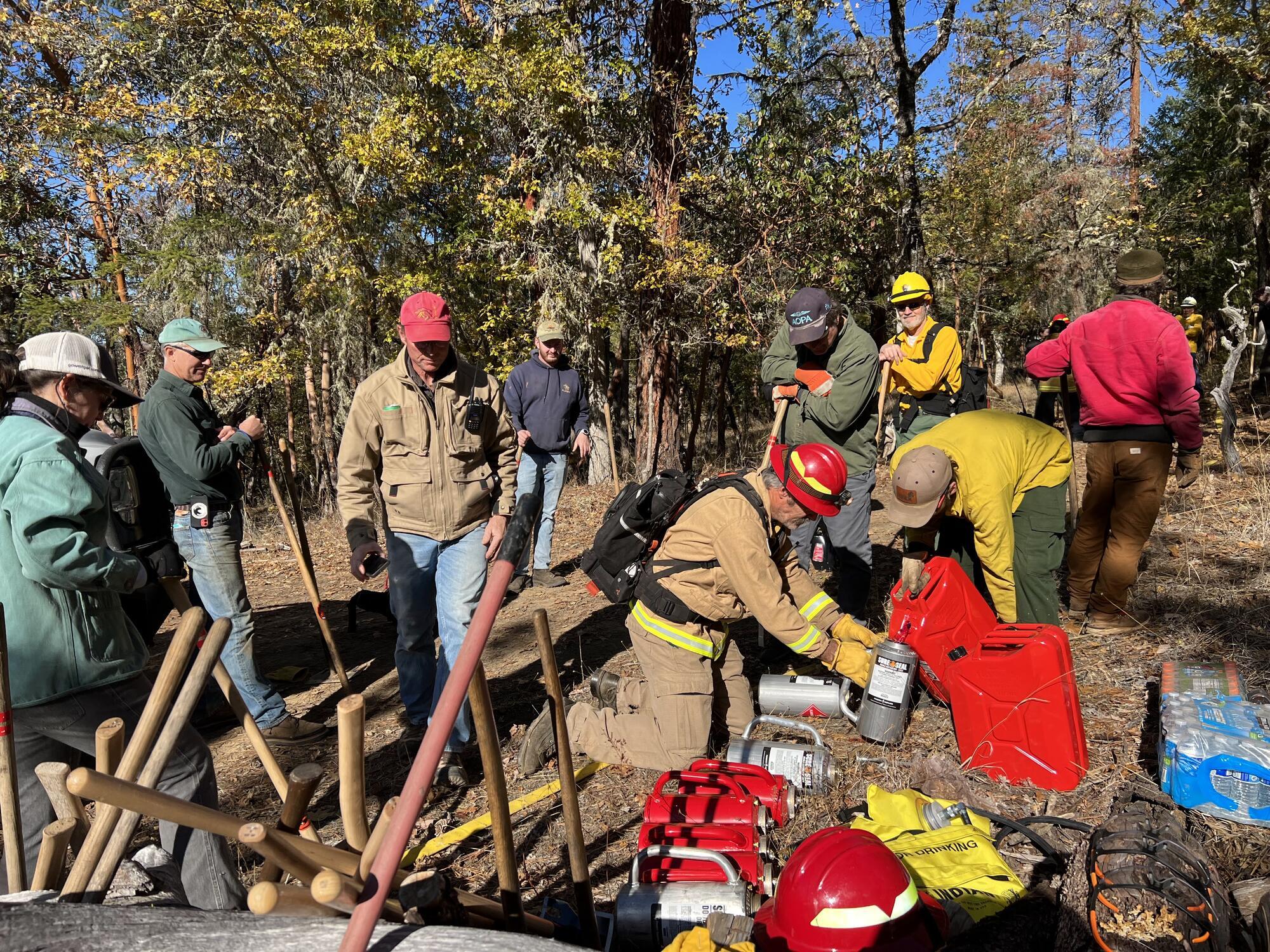
Landowners can join a Prescribed Burn Association. A PBA is a cooperative of local landowners and interested individuals who collaborate to conduct prescribed burns on each other’s properties. This approach can be cost-effective because it is volunteer-based and helps reduce risk by pooling resources and knowledge. PBAs serve to connect landowners with the expertise, equipment and labor needed to plan and implement burns. They can also help navigate the permitting process, connect with contractors and identify grant-funding opportunities. PBAs do not exist everywhere in the state, but new ones are starting up and are often eager to hear from interested landowners. Joining a PBA burn can also be a great way to learn whether prescribed fire is the right tool to manage your land.
|
Option
|
Benefits
|
Challenges
|
|---|---|---|
|
Agency or nonprofit organization
|
Lower cost for the landowner, knowledgeable leadership in planning and implementation | May not be an option or there may be long wait times |
|
Contractor
|
Good choice for large acreage or complex burns; low effort for the landowner | Typically, $800-$1,200 an acre, with a 20-acre minimum |
|
Do-it-yourself
|
Lower cost, and creates opportunity to gain knowledge, build community and connect with the land | Equipment, labor and experience all required |
|
PBA
|
Lower cost, support from knowledgeable burners and community-building | May not be an option in the local area and may be long wait times |
How can you get involved in prescribed fire?
Your state’s Extension Service can connect you with valuable resources and educational opportunities. For instance, Oregon State University Extension offers a fire program that provides hands-on learning and skills training for prescribed fire practices.
PBAs play a crucial role by offering training, equipment and labor to facilitate the safe use of fire while meeting permit requirements. PBAs are particularly beneficial, as they foster networks and build capacity among landowners and community members. This collaborative approach can lead to shifts in attitudes toward fire, enhancing the social acceptance of prescribed fire as an effective management tool. There are currently four active PBAs in Oregon: Rogue Valley PBA, Umpqua PBA, South Willamette PBA and Central Oregon Prescribed Burn Co-op. Other PBAs are forming all over the state!
provides another avenue for education and certification. However, the CBM Program is not for beginners. The CBM Program requires classroom training that covers essential topics such as fire weather, fire behavior, burn planning, regulations, safety measures and smoke management. Trainees are also required to lead three mentored burns prior to certification, ensuring they are well-prepared to manage prescribed fires effectively.
As we move forward, expanding prescribed burning on private lands presents an opportunity to restore ecological balance, enhance biodiversity, strengthen community, reduce wildfire risk and foster a deeper connection to the land. By overcoming barriers and fostering greater community engagement, we can cultivate a stronger relationship with fire, leading to more effective land management and improved ecological resilience.
References and resources
- Davis, K.T., J. Peeler, J. Fargione, R.D. Haugo, K.L. Metlen, M.D. Robles and T. Woolley. 2024. Forest Ecology and Management: 561.
- Oregon Department of Forestry
- Oregon Prescribed Fire Council,
